
Waskey
In an effort to improve compliance with the National Environmental Policy Act (NEPA), staff at the Nantahala District of the US Forest Service will combine two environmental analysis projects into one.
The Turkey Pen Project and the Redbird Project each rely on examining the state of forests to create a plan for responsible logging, water quality management, wildlife habitat maintenance, controlled burns and more. Turkey Pen’s analysis period was completed in 2016 with Redbird following one year later. However, employment matters have become an issue for the department over the years, leaving officials in need of a change in execution.
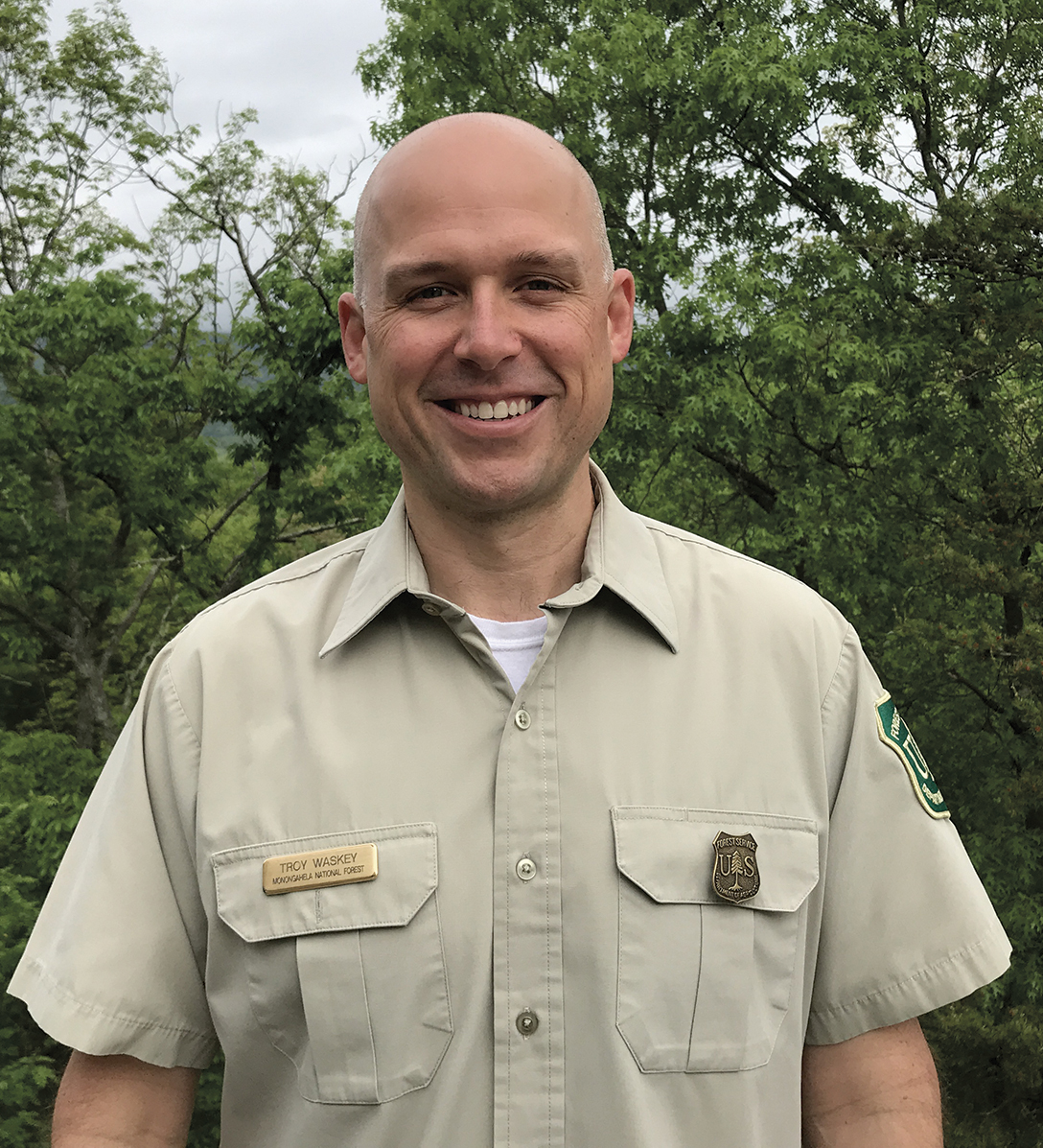
“Personnel turnover in key positions on the Nantahala National Forest, including archaeology, botany, silviculture and my own position, as well as reduced operations due to COVID-19, affected meeting expected deadlines for both projects,” District Ranger Troy Waskey said.
To make up for the lost workforce, Waskey announced earlier this month that the two projects would be consolidated into the Nantahala Mountains Project. Two smaller planning units will collaborate to cover the territory involved in Turkey Pen and Redbird, whose projects were still in similar stages of development and shouldn’t be too difficult to analyze simultaneously going forward. NEPA planning team leader Steverson Moffat says this change in operations will help staff to work more effectively and save time as the department pushes toward the end of the project.
“The benefit of combining the projects is largely time and efficiency for our staff,” Moffat said. “Given that the environmental law compliance process requires two 30-day public comment periods prior to our issuing a draft decision, and given that we’ve completed the review of potential environmental effects, it makes sense to the Forest Service to consolidate the management proposals.”
NEPA was introduced in 1969 as a check on potential ill environmental effects caused by projects. To comply with the law, federal agencies must prepare environmental impact assessments before engaging in any plans that will significantly disrupt the surrounding area. The Environmental Protection Agency cites NEPA as “the broad national framework” for protecting ecological health in the United States.
“NEPA’s basic policy is to assure that all branches of government give proper consideration to the environment prior to undertaking any major federal action that significantly affects the environment,” reads the EPA’s website. “NEPA requirements are invoked when airports, buildings, military complexes, highways, parkland purchases, and other federal activities are proposed. Environmental Assessments (EAs) and Environmental Impact Statements (EISs), which are assessments of the likelihood of impacts from alternative courses of action, are required from all Federal agencies and are the most visible NEPA requirements.”
Public oversight is a key feature of any environmental assessment, so Waskey welcomes any citizens concerned with the progress of the analysis to get in touch with the Forest Service to learn more.
“My staff and I will be available to conduct site visits with interested individuals and groups over the coming weeks,” Waskey said. “We will also facilitate access to the project areas for stakeholders who prefer to go out on their own.”
The Forest Service plans to release a proposed action plan and a formal scoping letter, record and maps for the Nantahala Mountains Project in July. For more information on the project, contact Steverson Moffat by calling 828-837-5152 ext. 108 or emailing steverson.moffat@usda.gov.