
Losing weight has long been a top New Year’s resolution for many, but nutrition experts today are touting
longer-term lifestyle changes as a safer, healthier approach.
After facing the ravages of a worldwide pandemic in 2020, staying healthy is on more people’s minds than ever before. In your own quest to eat healthier, local health officials have a few helpful tips to consider.
Kristen Brant, a dietician and nutritionist with Angel Medical Center, said that eating comes down to a pattern of habits. This means that losing weight with diets usually won’t last if the diet requires behaviors that a person can’t stick with even after they’ve met their goals.
On the flip side, unhealthy habits are easy to fall into and hard to break, including snacking habits that tend to form during the rush of the holiday season.
“With the stresses of the holidays, weather contributing to less activity and its effect on mood, as well as more access to treats, opportunities to overindulge on less healthy foods are obstacles we face during this time of year,” Brant said. “While the studies show people typically gain a pound or two, the possibility of unhealthy habits can endure with our behaviors towards holiday eating.”
The good news is that habits can be reset with enough willpower. Brant encourages people to think about how they’ll eat ahead of time and use strategies to keep themselves in good habits, such as pre-portioning meals and snacks at a healthy caloric level and focusing on nutritious foods that they already enjoy instead of forcing themselves to eat things they hate or, even worse, skipping meals altogether. Everyone has different tactics that will work best for them, but being proactive in thinking about what you’ll eat is half of the battle.
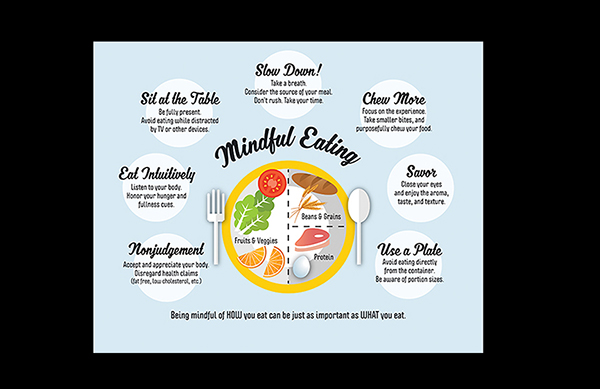
“A trendy phrase we talk about is mindful eating,” Brant said. “Being aware of what, why and how you are eating will help with developing healthier habits that can lead to better health.”
Like with most self-improvement efforts, having support from the people around you can be the difference between success and failure. David Lightner, director of child nutrition at Macon County Schools, said that parents can turn healthier eating into a whole-family effort and help their kids establish good eating habits for life. The basics include eating plenty of fruits, vegetables and whole grains, and having kids try food multiple times before they decided if they like it or not. One factor in family health that’s easy to overlook is giving children “agency” so that they feel more engaged in the improvements.
“Getting kids involved in nutrition is a good way to encourage healthy choices as well,” Lightner said. “For example, kids could help plan meals, help in the kitchen or plant a garden. This will allow kids to feel ownership in the choices they make and allow them to develop life skills as well.”
While it may not seem directly connected to healthier eating, Lightner said that families who sit down together for meals can expect to see dividends in their children’s wellbeing.
“There are also many benefits to making family mealtimes a priority,” Lightner said. “Benefits include promoting family unity, preventing behavior problems, improving academic success and improving overall nutrition.”
Community resources can also be invaluable when forming healthier habits. The North Carolina Cooperative Extension offers lots of programs meant to encourage healthy habits, such as the Macon County office’s “Maintain, Don’t Gain” program meant to help residents avoid putting on holiday weight.
Kim Terrell, a family and consumer science agent with the extension service, teaches a variety of classes that focus on everyday decisions related to healthy eating, like where to shop to find nutritious and minimally processed foods or how to grow organic produce from home.
“I teach about things like home canning, healthy shopping, cooking demonstrations and things like that,” Terrell said. “It’s about teaching people to plan ahead and take control of their own schedules.”
Eating better in the long term consists of dozens of difficult daily decisions, and Terrell knows that it’s easy to get overwhelmed, especially when there are so many other issues in most people’s lives that compete for their attention. That’s why she encourages people to focus on the little things first. If giving up dessert completely sounds unrealistic, just start with eating it less often. If you don’t have time to cook at home every night, just cook something healthy when you have the chance. Eating healthier is about making sure you’re better off in the future and that requires being kind to yourself in the present.
“If you set too big of a goal, it’ll be hard to achieve,” Terrell said. “Set small, realistic goals and build upon those. … Take care of yourself so that you can take care of everything else.”
For more information on health and nutrition services offered through the Macon County Cooperative Extension, call 828-349-2046 or go online to macon.ces.ncsu.edu.