
Carter Giegerich for The Franklin Press
As the military conflict in Ukraine wages on, the economic shockwaves created by international sanctions on Russia have been felt around the globe.
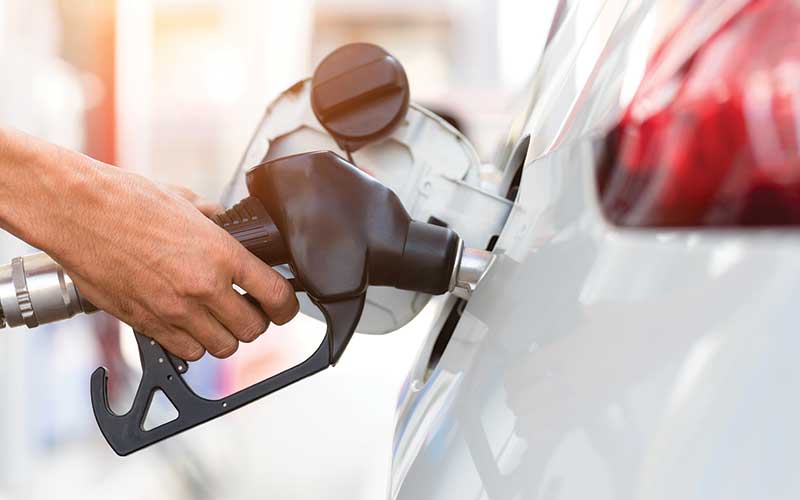
One of the most immediately apparent impacts Macon County residents have seen since the conflict began has been dramatically increased gas prices – according to the American Automobile Association, the average price of a gallon of gas has risen nearly 60 cents in the past month, topping $4 per gallon last week.
In the short term, the largest burden of increasing prices will likely fall on employees who travel regularly for work. Angela Dills, the Gimelstob-Landry Distinguished Professor of Regional Economic Development at Western Carolina University, said many Macon County residents will feel the strain of rising costs in coming weeks.
“We have a decent number of people who live in Franklin and drive to Highlands and Cashiers to work. That's a lot of driving,” Dills said. “It's a significant increase in costs, just getting to work and back home every day, and when you're already barely making ends meet those differences can make a big difference in quality of life.”
Dills said the rising costs of fuel are a result of a combination of two major factors – the conflict in Ukraine and rising inflation domestically.
Russia is the world's third-largest oil producer, and strict sanctions from the international community following the country's invasion of Ukraine have caused massive disruptions to the oil market.
“Even though the U.S. gets very little oil and gas from Russia, it makes up a big part of the global market,” Dills said. “We may get our gas from other places, but the conflict is still driving up prices around the world. The longer the war goes on, the longer we're going to pay high gas prices.”
These increased prices are driven even higher by inflation, Dills said.
“Gas prices are a noticeable part of the increased prices we're experiencing, but inflation is high across the board and prices across the board are increasing,” she said. “I think gas prices are just really salient because you really notice it when you put 15 gallons in your tank.”
With the cost of living on the rise and wages remaining relatively stagnant, Dills said surging gas prices could pose real problems for employers who rely heavily on workers who travel large distances for work.
“It's a concern for employers too – they need people who can get to and from work and have it be worth their while,” Dills said.
While many private businesses and employers will be forced to navigate these economic challenges in the short term, the impact on local government agencies is likely to be less dramatic in the immediate future.
Macon County Schools relies on a fleet of 52 buses to transport students to schools in Franklin, Nantahala and Highlands. These vehicles consume a significant amount of diesel fuel, but Macon County Schools Director of Auxiliary Services Todd Gibbs said the cost of fuel for the school system is locked in at a previously negotiated rate for this fiscal year.
“Diesel fuel prices are negotiated by the state with their supplier, so the prices were set before the Ukraine-Russia situation,” Gibbs said.
The state will renegotiate that rate in July as part of the annual budgeting process, Gibbs said, at which point rates might be higher, but currently the only increase in costs the school system will see as a result of rising gas prices will be for the vehicles used to transport teachers and staff. That expense is minute compared the county's costs for diesel, Gibbs said.
“We're not using a whole lot of gasoline anyway,” Gibbs said. “We have four or five county cars teachers and staff can use to go to games and meetings and things, but for two years in the pandemic we didn't have any teachers going anywhere for professional development and things like that.”
Macon County Transit, which runs between 12 and 15 vehicles a day, upgraded most of their fleet to utilize propane fuel systems during the 2015-16 fiscal year. Because they can source propane domestically, they are somewhat insulated from fluctuations in gasoline prices.
“We are very fortunate that we run most of our vehicles on propane. That's saved us a lot,” said Macon County Transit Director Darlene Asher.
The vehicles do rely on conventional gas for some of the mileage they cover, so the agency will face some rising costs, but Asher said she believes Macon County Transit is well-positioned in the short term.
“If things stay this way for about two more months, we'll have to look at doing something different. But for now, as long as the propane is good, we're alright,” she said.