
Anissa Holland
thefranklinpressnews@gmail.com
Macon County Public Health will introduce a telehealth program for students beginning in January. Julie Rogers, physician extender with the Macon County Health Department, presented information about the program at the Oct. 24 Board of Education meeting.
Rogers said having telehealth access at the schools will help reduce the amount of time students miss from school and parents will not have to take time off work to take their children to the doctor.
“If you’ve worked in the school system for any length of time, you know the barriers that limit access to care for our students, like transportation and finances. The purpose behind this program is to eliminate some of those barriers,” Rogers said. “We will always encourage primary care visits first, but same-day visits are limited. This gives an opportunity for a student to be seen that day before they ever leave the school.”
The program will be modeled after Health-e-Schools, which currently serves 11 counties in North Carolina. If a student is not feeling well, they can set a telehealth appointment which will connect a school nurse or designated patient presenter to a provider at the health department via teleconference. Emergency situations will still be handled by calling 911.
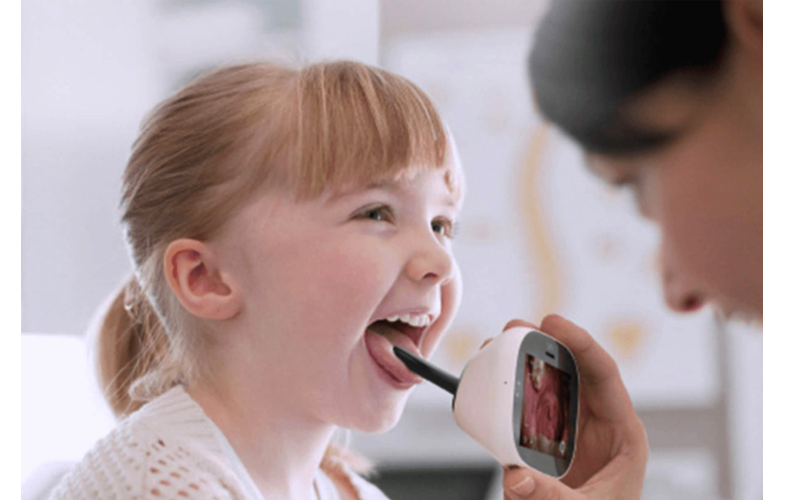
The set of equipment called Tyto Clinic includes a device with a high-definition exam camera, and adaptors for a thermometer, stethoscope, otoscope, tongue depressor, Sp02 reader and blood pressure cuff. Tyto Visit, the appointment platform, will be pre-loaded on an iPad to conduct live exams. The technology operated in the program is meant to address or diagnose acute illness.
Students will be required to complete an enrollment packet, including health history and written consent for participation in the program. HIPPA and FEERPA confidentiality standards will apply to each visit. Parents/guardians will have the option to participate during the visit in a three-way call or receive communication to review the exam and treatment plan afterward.
While the board agreed that the program sounds promising, many expressed concerns about the availability of patient presenters. The school system currently employs two school nurses with funding through 2024, five are employed by MCPH and there is one vacancy. Patient presenters are not required to have a medical background, rather, they will receive specialized training to conduct telehealth appointments thoroughly and safely.
Rogers suggested designating first-responder-type personnel as patient presenters. Superintendent Chris Baldwin was apprehensive about assigning first-responders to additional roles while they are on-call during the day.
“I think it will be a challenge for our schools to designate those patient presenters, but I hope it’s something we can get worked out because I do see the benefit of this program,” he said.
School board member Hilary Wilkes shared the same sentiment, particularly with Highlands School not having a full-time nurse, but agreed that this program would be “a game changer for students and families.”
With her background as a school nurse, Rogers said she is sensitive to keeping students and teachers in the classroom as much as possible.
“We’re not looking at a high-demand role,” she said. “To put it into perspective, if a student is sent to the office when they’re sick, someone is already having to watch them. You’ve just knocked out 50% of what it requires to be a presenter. The visit itself should be no more than 15 minutes, and that would be considered an extended visit.”
The program is set to roll out in January 2023. Telehealth appointments will be available to all students, faculty and staff at any school in Macon County, operating every day that school is in session.
On-site rapid testing for COVID, strep, flu and urinalysis will also be available. The program will be low-cost to no cost for students, and the practitioners will bill insurance if applicable. The goal is to eliminate out-of-pocket costs.
Rogers said they plan to have the equipment available at each school. The cost to lease each unit is $2,500, which will be funded through a Community Health Grant.