
Home canning booms during COVID pandemic
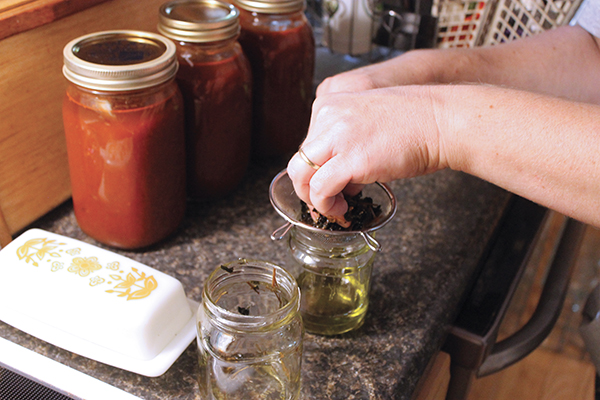
When the COVID-19 pandemic virtually shut down the nation’s economy and forced many Americans to shelter in place this spring, some worried how they might feed themselves and their families.
When the resulting anxiety spurred throngs of people into grocery stores to buy as much food and disinfectant - and toilet paper - as possible, the subsequent stress to the nation’s supply chain left stores short on foodstuffs and other necessities. Between the sudden food shortage and newfound time on peoples’ hands, some local residents have used this year’s shelter-in-place to become more self-sufficient.
“I think that people are concerned about food safety and food security, so I think it’s a combination of them having time on their hands plus they are concerned about food in general,” said Kim Terrell, family consumer science agent for Macon County’s North Carolina Cooperative Extension office. “People I know that have never had a garden have gardens, they’re growing their own produce, and more people are canning.”
Grow it, can it
In addition to this year’s boom in growing produce, some local residents have taken up canning and preserving food. In her first month on the job, Terrell has already fielded several calls from residents wanting to learn more about canning and preserving, and canning supply sections in local grocery stores have been cleaned out for months. Among the local residents taking up canning this year is Laura Gamble, who has been preserving all manner of produce from her personal vegetable garden.
“I just started this year,” said Gamble. “My family has always canned, so it’s nothing new, but this is the first time I’ve taken the step into actually doing it myself. Part of me has always wanted to, and with the craziness and things going on, I was like, ‘There’s probably not a better time to start.’ I think everyone might have had that same idea with wanting to have their own food production.”
For the past few years, Gamble has been carefully tending a garden in her front yard in Franklin (at this point the space is more garden than yard). On the plot she grows everything from spinach and potatoes to medicinal herbs, and the yield is enough to put a serious dent in her family’s grocery bills.
“This year I’ve mainly made salsa. I made a tomato-basil sauce yesterday, and I think with the remaining tomatoes I have I’m going to try just basic packing tomatoes where you pack them with water,” said Gamble. “[I grow] zucchini, squash, tomatoes, cucumbers, pumpkins, and I tried corn but it did not go well this year so I’m going to try again next year to see. Maybe if I move the spot where it’s at they will do a little better.”
Extension ready to help
As a Horticultural Science Certificate holder from N.C. State, it’s clear Gamble knows a thing or two about gardening. While she has been around homegrown produce since she was little, even experienced growers will eventually run into trouble, and Gamble said Macon County’s cooperative extension office has been a valuable resource for guidance in both tending and preserving.
“If I have questions I’ll usually call up there and ask to kind of get their thoughts, and they’ll refer me to different publications that have come out,” said Gamble. “Usually those publications are pretty straightforward and easy to follow, so they’ll point me in the right direction and I can go along as I need. [I’ll ask about] growing and planting, or if there’s a certain pest I’m having issues with.”
Aside from providing an enjoyable hobby, gardening offers a plethora of benefits for anyone willing to try. Between residents’ own property or one of several community gardens around Macon County, gardeners can produce nearly unlimited food at a bare minimum of expense that is more nutrient-dense than produce bought at a store. Armed with equipment to can and preserve her produce, Gamble and her family will have a pantry of readymade produce to draw from throughout the winter.
“I definitely think it will be something that I continue to do,” said Gamble of canning her produce. “It’s one of those things where you put the work in up front, but it’s nice in the middle of winter to have something where you know what’s in it and it tastes better than what you might get at the grocery store.”
Five tips for safe canning
1. Always use a new jar lid each time. The rubber seal on the lids are thin, so repeated exposure to heat processing over multiple canning sessions could break down the seal, causing food spoilage.
2. Use jars expressly intended for canning (such as Ball or Kerr jars). Other jars may not be able to withstand the heat and pressure of canning, especially pressure canning.
3. Only certain foods can be canned via water bath canning — jams/jellies, pickles and tomatoes with added acid. Low acid foods (like green beans, corn, meat, etc.) must be processed via pressure canning so the food reaches a high enough temperature for safe long-term storage.
4. Don’t can dairy products, like milk and butter. You’ll see a lot of recipes on the internet for canning butter, but that doesn’t mean it’s a safe food-handling practice. Dairy products are low-acid, and too dense to be canned.
5. Follow canning recipes from reliable authorities, such as the National Center for Home Food Preservation. Their recipes and formulas are tested for food safety, and they provide the most current guidelines.
– Motherearthliving.com