
It hasn’t been a very happy holiday season at Appalachian Animal Rescue, but there’s something that local pet owners can do to help.
The animal shelter has been closed for almost all of December because someone dropped off a litter of puppies that tested positive for canine parvovirus, an extremely contagious disease that attacks a dog’s digestive system and is especially prominent in puppies. How dangerous the disease is depends heavily on how early it’s detected, so the shelter always institutes a strict quarantine when they find a case so that they can keep an eye on every infected dog. AARC is no stranger to parvo, but they’ve had some very bad luck with timing this month, as new cases keep on popping up right at the end of their 10-day waiting periods. On Monday morning, another puppy was being tested, meaning that the shutdown could last into next year.
“We never even put up our Christmas tree this year because of what a mess this has been,” shelter president Cathy Howman said.
Shutting down the shelter means no adoptions, and no adoptions means less available space at the shelter for animals in need. It’s a frustrating problem for Howman and the rest of the shelter staff, particularly because it’s a preventable problem. Parvo can linger in the ground for up to seven years, but it’s easily cleaned away in controlled settings. Even dogs who spend most of their days outside are safe if they’re inoculated against the disease when they’re young – parvo only becomes a problem with dogs whose medical needs have been neglected over a long period.
“When dogs are allowed to roam all over the place, that’s when they get parvo,” Howman said. “They also get pregnant, and then their puppies end up in the shelter a lot of the time.”
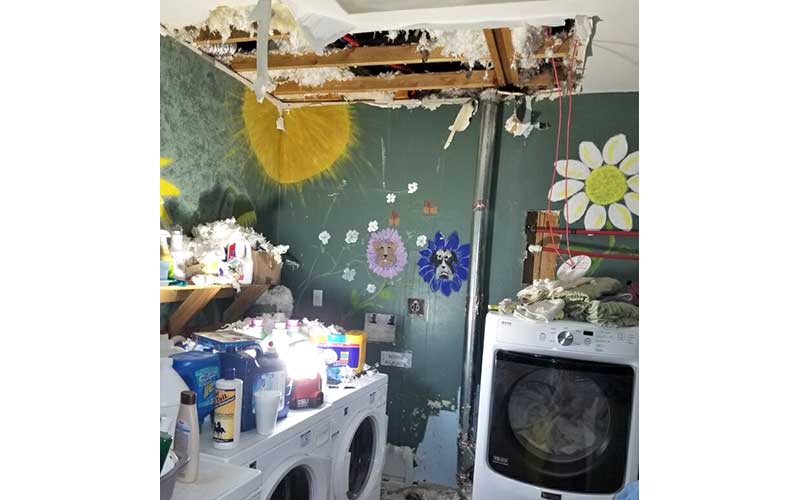
AARC is taking steps to mitigate the problem. They’re in the process of renovating the shelter to keep intake separate from other operations so that quarantining puppies with parvo won’t require a full shutdown. They’ve experienced several infrastructure setbacks this past month due to busted pipes and black mold, so their renovation fund has been mostly wiped out. It’s more of a long-term plan, but they also make sure all of the adopted animals are fixed to discourage the spread of disease to new dogs.
“No animal leaves our shelter without being spayed or neutered,” Howman said.
Pet owners can do a lot to help prevent the spread of parvo. In addition to getting their own animals spayed and neutered, they can keep their dogs on their own property as often as possible to minimize contact with strange dogs. They can also get their puppies vaccinated against parvo with a series of shots in the first couple months of life. A few very simple steps can make a life-saving difference for your dog and the dogs around them.
“You can keep them home where they’re safe, you can get them vaccinated… there are so many ways to prevent this,” Howman said. “It infuriates me that so many people just don’t do it.”
Appalachian Animal Rescue Center accepts monetary donations, as well as cat food, dog food, blankets, towels, sheets and more. For more information, call the shelter at (828) 524-4588.